AAI JE ATC 2023 Shift 1, Question 91
Mathematics - Linear Programming

Answer: C (as marked correct in the candidate response sheet)
AAI Junior Executive (Air Traffic Control) Linear Programming previous year questions (Mathematics) from 2015 to 2025, with answers.
Mathematics | All AAI JE ATC papers
Mathematics - Linear Programming




Answer: C (as marked correct in the candidate response sheet)
Mathematics - Linear Programming

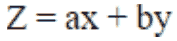



Answer: A (as marked correct in the candidate response sheet)
Mathematics - Linear Programming

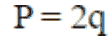
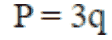


Answer: D (as marked correct in the candidate response sheet)
Mathematics - Linear Programming
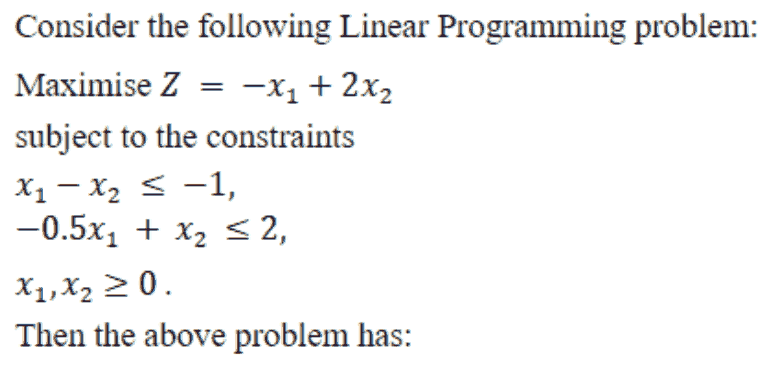




Answer: B (as marked correct in the candidate response sheet)
Mathematics - Linear Programming
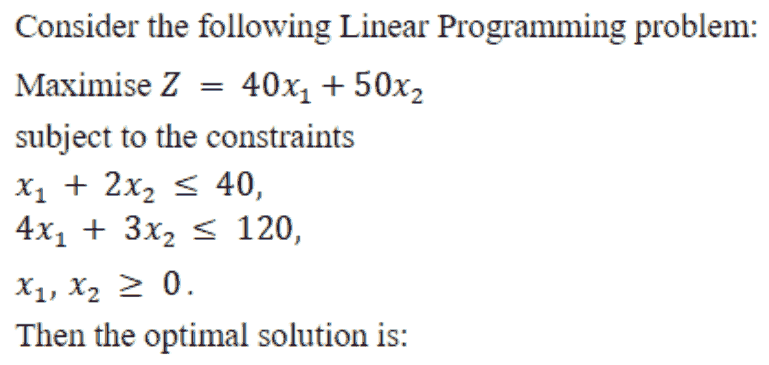
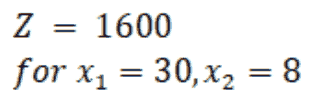
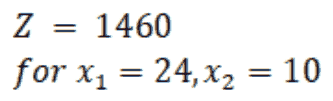
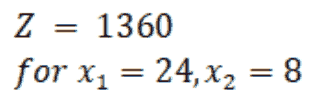
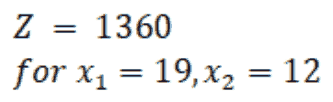
Answer: C (as marked correct in the candidate response sheet)
Mathematics - Linear Programming





Answer: A (as marked correct in the candidate response sheet)
Mathematics - Linear Programming
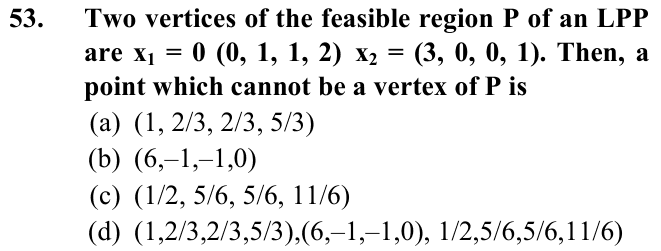
(The four options are printed in the question.)
Answer: D (as per the solved paper)
Mathematics - Linear Programming
Let x be a non-optimal feasible solution of a linear programming maximization problem and y a dual feasible solution, then
Answer: C (as per the solved paper)
Answers are not an official AAI key: papers up to 2022 follow a published solved-papers book, and the 2023 and 2025 papers follow the options marked correct in candidate response sheets.